
Ledger.com/Start® — Getting Started with Ledger Live™
Set up your Ledger wallet through Ledger.com/start with helpful resources for device connection, account organization, crypto holdings, and activity.
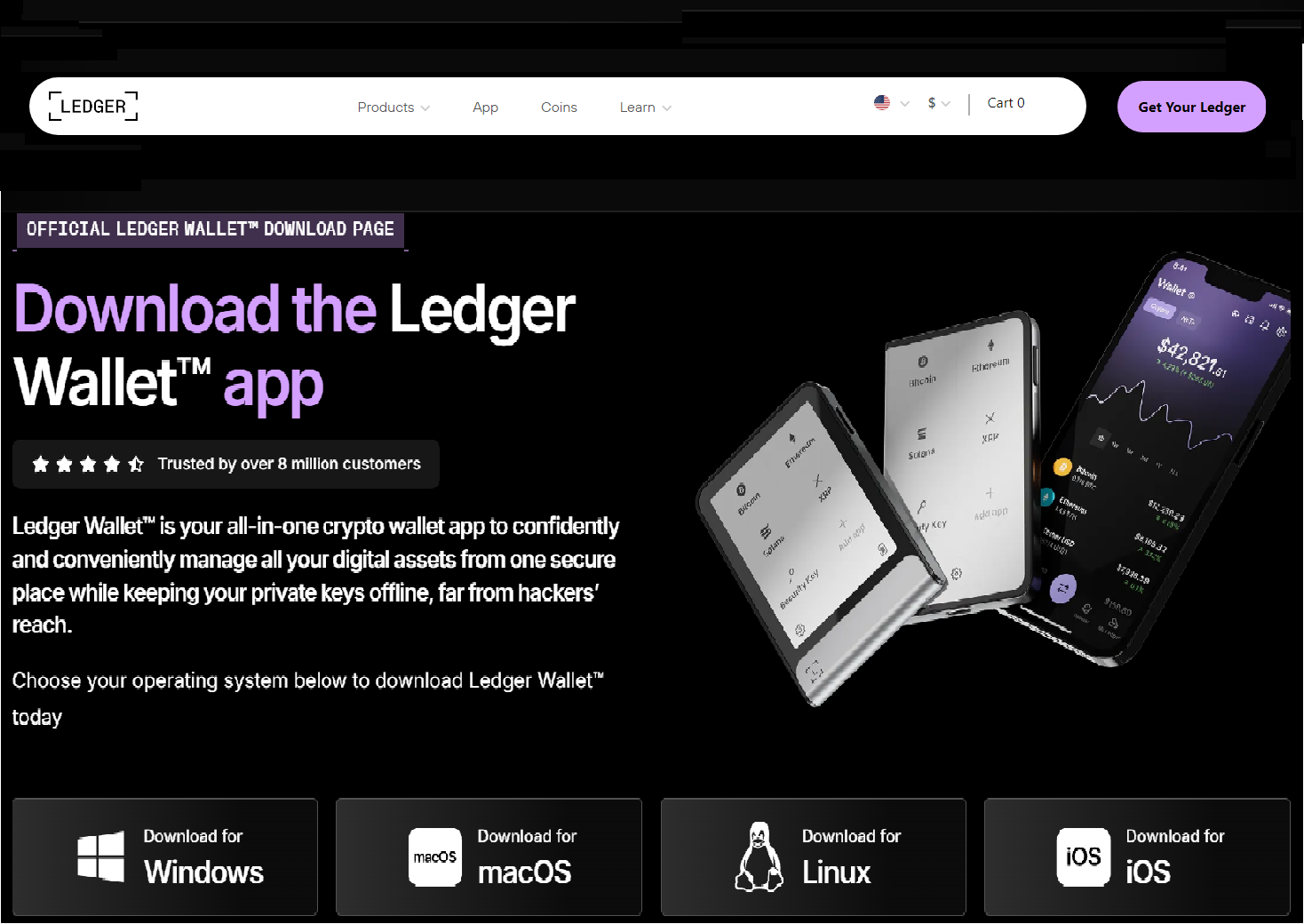
Ledger.com/start: A Complete Beginner’s Roadmap for Setting Up and Managing a Ledger Wallet
Getting started with a hardware wallet can seem complicated when you are unfamiliar with cryptocurrency security. The process becomes much easier when it is divided into clear stages. Ledger.com/start can serve as a useful starting point for new users who want to understand the setup process, protect important information, and gradually become comfortable with everyday wallet management.
Prepare Before Starting
Before beginning the setup process, create an environment where you can concentrate. Use a computer you trust and avoid completing sensitive wallet activities on shared or unfamiliar devices.
Give yourself enough time to read instructions carefully. Rushing through setup can make it easier to overlook important information or approve something without understanding it.
It is also important to be careful about where you obtain wallet-related software and instructions. Search results, advertisements, social-media posts, and unsolicited messages may lead to websites that look convincing. Verify the source independently before downloading software or entering any information.
Begin With Ledger.com/start
For users starting a Ledger wallet, Ledger.com/start provides an appropriate starting point for the setup journey. Follow the instructions carefully and pay attention to each stage instead of skipping steps because they appear familiar.
If something looks different from what you expected, pause and investigate. Do not assume that an unfamiliar instruction is automatically part of the normal setup process.
Understand Recovery Information
One of the most important concepts for a new hardware wallet user is the difference between ordinary wallet information and sensitive recovery information.
Recovery information should remain private and under your control. It should never be shared with another person, uploaded to an online service, stored in a screenshot, or entered into a website simply because someone tells you to do so.
Be particularly cautious if an unexpected person claims to be technical support and asks for confidential information. Verify support instructions independently through an appropriate official source.
Learn Your Wallet Before Using It
After completing the initial setup, take time to understand how your wallet is organized. Learn where account information, balances, assets, and transaction history are displayed.
You do not need to use every available function immediately. Start with the features that are relevant to your normal activities.
Understanding the basic layout can make future wallet actions less confusing and help you recognize information that does not look familiar.
Understand Receiving Cryptocurrency
Receiving cryptocurrency usually involves providing an appropriate public receiving address. Before sharing an address, make sure it belongs to the intended account and corresponds to the asset you expect to receive.
Public receiving information should not be confused with recovery information. The two serve very different purposes and should be handled accordingly.
After receiving funds, review the transaction information so you understand how the transfer appears in your wallet.
Prepare Carefully for Sending
Sending cryptocurrency requires more deliberate verification. Before approving a transfer, review the recipient, asset, network, amount, and relevant transaction details.
Do not rely solely on memory, especially when sending to an address you have used before. Check the information each time.
If you are new to crypto transfers, learning with a small amount can help you understand the process before handling a larger transaction.
Develop a Security Routine
Good wallet management depends on consistent habits. Before important actions, ask yourself whether you are using a trusted source, whether the account and asset are correct, and whether the transaction matches your intention.
A simple routine such as pause, review, verify, and confirm can make careful decision-making part of everyday wallet use.
Continue Learning
Setting up a hardware wallet is only the beginning. As you gain experience, you can gradually learn more about transaction fees, networks, account organization, and other wallet concepts relevant to your needs.
There is no requirement to understand everything immediately. Learning progressively can make the overall experience more manageable.
Conclusion
Ledger.com/start can provide a useful starting point for new Ledger wallet users. The most important part of the process is not speed but understanding. Prepare your environment, follow trusted setup instructions, protect recovery information, learn how receiving and sending work, and verify transactions before approval.
By building these habits from the beginning, you can create a more organized approach to managing your cryptocurrency and become more comfortable with your wallet over time.
Updated about 5 hours ago